English
 français
 Deutsch
 Español
 русский
 português
 日本語

Liposomes can encapsulate active substances of different properties thanks to their unique phospholipid bilayer structure and are widely adopted delivery carriers for plant extracts and functional raw materials. The membrane system of conventional liposomes mainly consists of phospholipids and cholesterol. Cholesterol maintains the rigidity of the bilayer structure and reduces leakage of vesicle contents. This traditional formulation has shown obvious drawbacks during long term industrial application.
Traditional formulations have weak compatibility among ingredients. Cholesterol works only as an inert excipient for structural stabilization and carries no physiological activity. Many premium dietary formulations intended for people sensitive to lipid levels avoid cholesterol addition. This restricts market application scenarios for products made with traditional liposomes.
Traditional technologies face obstacles in stable co-loading of multiple ingredients. When water-soluble and fat-soluble actives coexist the system often sees reduced encapsulation efficiency vesicle aggregation precipitation and premature leakage of active substances. Synergistic delivery of compound ingredients cannot be achieved.
Conventional liposomes deliver limited bioavailability. Vesicle structures tend to break down in gastric acid. Cellular internalization remains inefficient and most active ingredients cannot cross biological barriers such as the blood brain barrier to fully exert their effects.
Compatibility conflicts also exist between botanical actives. If withanolides extracted from ashwagandha are used merely as encapsulated core materials they may interact with liposome membrane materials. This causes continuous degradation of active substances during storage and shortens product shelf life.
Against this industrial backdrop the co-loaded liposome technology with functional withanolide membrane materials has emerged. The technology breaks conventional logic. Withanolides are no longer treated as encapsulated actives only. They are embedded into phospholipid bilayers to serve as functional membrane stabilizers. This integrated technical design delivers membrane bound physiological activity together with simultaneous co-loading of multiple functional ingredients.
Withanolides represent the core steroidal lactone actives found in ashwagandha and possess unique amphiphilic molecular structures. These molecules can insert into the hydrophobic tails of phospholipids and self assemble with phospholipids to form stable nanolipid vesicles. They fully replace cholesterol for membrane stabilization and construct a novel composite bilayer structure made of phospholipids and withanolides.
The new technical system uses plant derived sunflower lecithin or soybean lecithin as the main framework. Withanolides embed evenly inside phospholipid bilayers to precisely adjust membrane fluidity and structural rigidity. The design inhibits vesicle fusion rupture and content leakage at the source. Withanolides become an integral part of the liposome membrane rather than simple encapsulated core materials.
The technology adopts an innovative co-loading structure design. The aqueous core of liposome vesicles can encapsulate various water-soluble active substances while the hydrophobic regions of composite phospholipid and withanolide membranes carry multiple lipophilic functional ingredients. This achieves simultaneous encapsulation and stable retention of actives with different physicochemical properties. The mainstream NF Co-Loading® co-loaded liposome technology follows this principle to combine withanolide membranes with melatonin L-theanine ergothioneine and other actives for synergistic effects.
The production process adopts mature thin film hydration or ethanol injection methods combined with high pressure homogenization. Liposome particle size can be stably controlled within the range of 50 to 150 nanometers. The particle size distribution is uniform with low PDI values well shaped spherical vesicles and stable zeta potential suitable for oral delivery and transdermal absorption.
The core mechanism relies on the special structure of nanovesicles. Vesicles resist pH shock and digestive breakdown in gastric fluid and reach intestinal tracts for rapid recognition and internalization by epithelial cells. Membranes modified with withanolides significantly improve cellular uptake efficiency. Some optimized formulations exhibit favorable brain targeting potential. Cellular and animal studies confirm higher accumulation of delivered actives in brain tissue compared with conventional cholesterol liposome systems.
Traditional liposomes use phospholipids to build skeletons and inert cholesterol for membrane stabilization to encapsulate and store active substances. New withanolide co-loaded liposomes take phospholipids as basic skeletons and use bioactive withanolides as membrane stabilizers. Multiple synergistic actives are loaded in vesicle cores and membrane layers to achieve comprehensive upgrades in technical architecture and application value.

The new technology eliminates inert cholesterol excipients and upgrades membrane functionality. Withanolides replace cholesterol as the core membrane stabilizing raw material. Membrane structures carry inherent antioxidant stress relieving and neuroprotective activities. This breaks the limitation that traditional membrane materials only serve structural stabilization. Formulations free of cholesterol support product development for lipid management premium diets and sensitive populations. The design avoids compliance risks and market restrictions brought by cholesterol addition and aligns well with the positioning of natural botanical functional raw materials.
The technology overcomes bottlenecks in multi-ingredient co-loading and enables synergistic effects from compound actives. Conventional liposomes struggle to stably encapsulate both water-soluble and fat-soluble actives. The new withanolide membrane system contains hydrophobic insertion sites and sealed aqueous vesicle cavities to carry multiple ingredients of different properties while maintaining high encapsulation efficiency. Vesicles remain stable during storage without aggregation or rupture. Leakage of active substances is greatly reduced to ensure simultaneous delivery and action of multiple functional ingredients and fully unlock synergistic benefits of compound formulations.
Composite membrane structures deliver stronger resistance to digestion and greatly improve active bioavailability. Membranes built from phospholipids and withanolides withstand acidic gastric environments and prevent rapid degradation and loss of actives in the stomach. Controlled nanoscale particle size enhances penetration and absorption across intestinal epithelia. The in vivo bioavailability of botanical actives can increase several times relative to free extracts. The system also extends in vivo half-life of actives and enables steady sustained release to avoid unstable efficacy caused by sharp concentration fluctuations.
Modified membrane structures improve cellular internalization and endow liposomes with favorable targeting capacity. Large volumes of cellular experimental data prove that withanolide modified liposomes achieve markedly higher uptake in cerebral vascular endothelial cells and neurons than traditional cholesterol liposomes. Animal test results show sustained higher concentrations of withanolides and other actives in brain tissue within hours after administration. The system fits well for developing compound raw materials for brain health mood regulation and sleep support. It can also be extended to transdermal delivery applications.
The whole system uses plant sourced raw materials with excellent biocompatibility and formulation adaptability. Core membrane materials come from plant phospholipids and natural withanolides. The system has low toxicity high biological safety and no irritating residues. Finished products can be optimized into liquid liposomes or powdered liposomes through process adjustments. They fit oral liquids solid beverages soft capsules topical gels and many other dosage forms for B2B raw material supply functional food and skincare raw material markets.
The technology improves product storage stability reduces raw material loss and lowers shelf life risks. Withanolides embedded evenly into phospholipid bilayers precisely adjust membrane fluidity and reduce the chance of vesicle fusion and rupture at the source. Oxidative degradation rates of co-loaded actives slow down significantly. Accelerated stability tests show lower attenuation of particle size and encapsulation efficiency for new liposomes compared with traditional liposome products. Quality stability can be guaranteed throughout the full shelf life of products.
The technology sees wide application in dietary supplement raw materials and drives innovation in botanical extract sectors. With core benefits in stress relief neuroprotection and sleep improvement withanolide co-loaded liposomes can combine with melatonin L-theanine ergothioneine and other actives to create high quality compound raw materials for brain health and mood support. The products meet mainstream demands in the global wellness market.
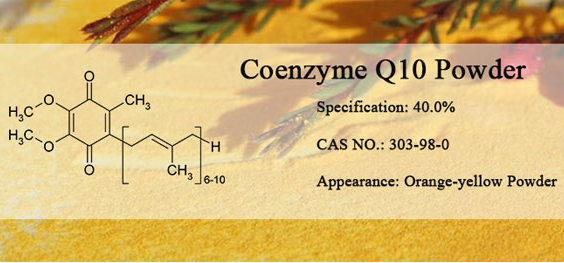
This technology also serves as a high quality delivery solution for anti aging and antioxidant functional raw materials. The system can stably co-load coenzyme Q10 NMN various botanical polyphenols and other antioxidant ingredients to strengthen cellular antioxidant capacity and mitochondrial maintenance and support innovation of anti aging functional products.
The technology also delivers outstanding performance in topical skin delivery. Withanolides have inherent anti-inflammatory antioxidant and repairing properties. Combined with the transdermal advantages of nanoliposomes actives penetrate the stratum corneum rapidly and reach deep skin layers. The system can be used to develop raw materials for skin repair anti-inflammatory and soothing skincare products.
The technology adapts to the development and production of innovative food products. Powdered co-loaded liposomes solve common industry challenges including poor water solubility and bitter taste of withanolides. They can be directly added into functional drinks gummy candies and other convenience food systems to broaden food application scenarios for botanical active raw materials.
Withanolide membrane co-loaded liposome technology completely breaks inherent limitations of traditional liposomes which rely on cholesterol and only deliver single actives. The industry upgrades inert membrane stabilizers into high activity plant derived ingredients to build a new nano delivery system featuring structural stability multi-ingredient co-loading high bioavailability and targeting potential.
The global market for functional foods and natural plant extracts maintains steady growth. Nano botanical delivery technology has become a core differentiator for functional raw materials. Withanolide based co-loaded liposome technology offers new plant derived nano delivery solutions for sleep and mood regulation brain health maintenance skin anti aging and skin repair. It also acts as an important technical direction for botanical extract enterprises to develop high value patented raw materials and strengthen core market competitiveness.
This is the last one.