English
 français
 Deutsch
 Español
 русский
 português
Product Name and Alternatives
Primary Name: Hyaluronic Acid Powder
Common Alternatives: HA Powder, Sodium Hyaluronate Powder (since hyaluronic acid is often present as its sodium salt in commercial forms for better stability).
CAS Number: 9004-61-9 (for the sodium salt form, commonly used in industrial applications).
Molecular Weight Range: Available in various grades to suit different applications, typically including: - Low Molecular Weight (LMW-HA): Usually below 50 kDa - Medium Molecular Weight (MMW-HA): Ranging from 50 kDa to 500 kDa - High Molecular Weight (HMW-HA): Generally above 500 kDa Customizable molecular weight options are also available upon request.
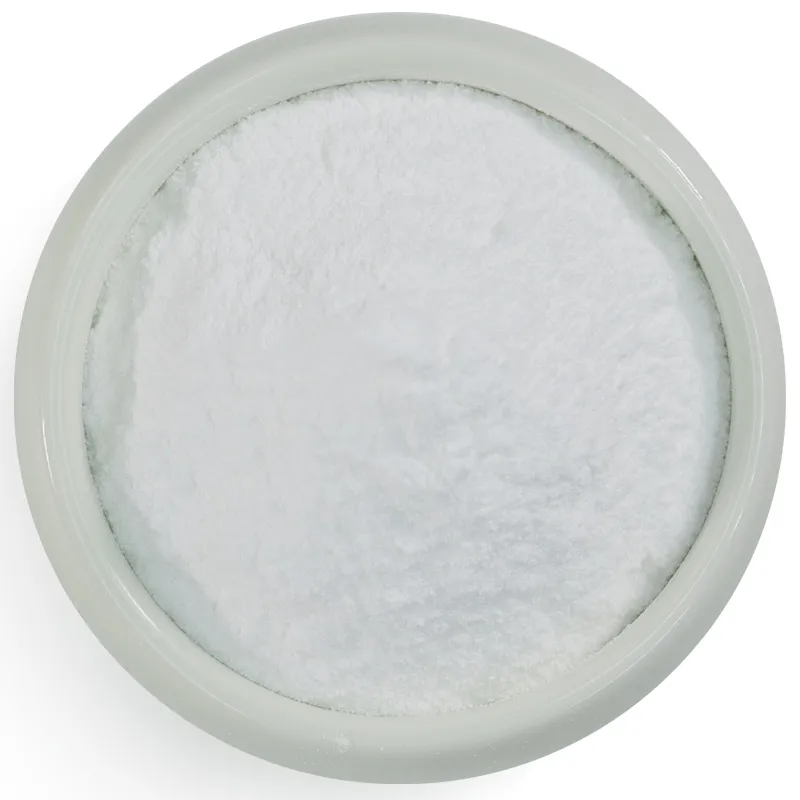
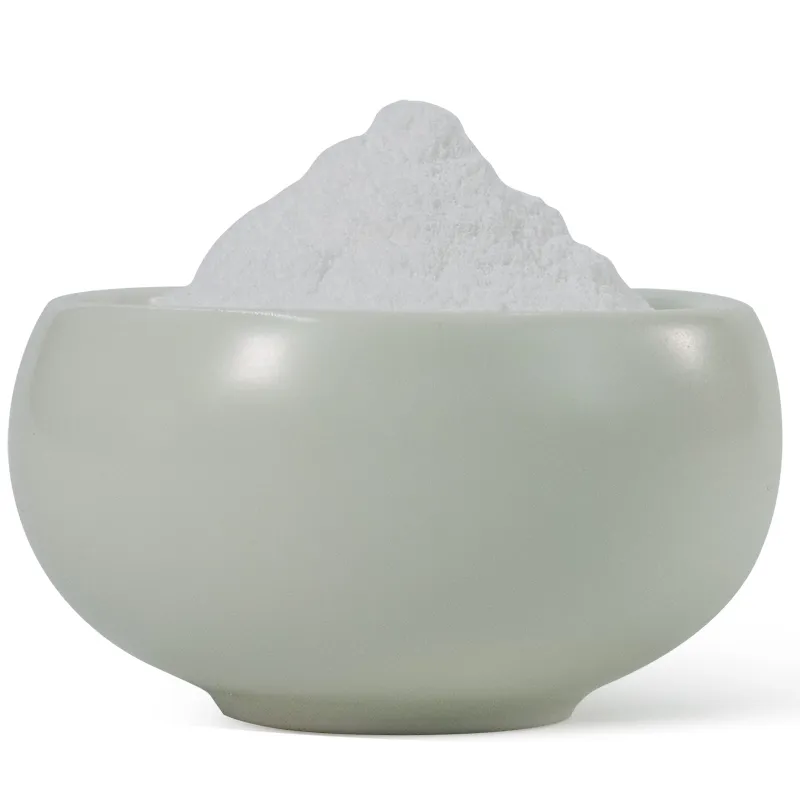
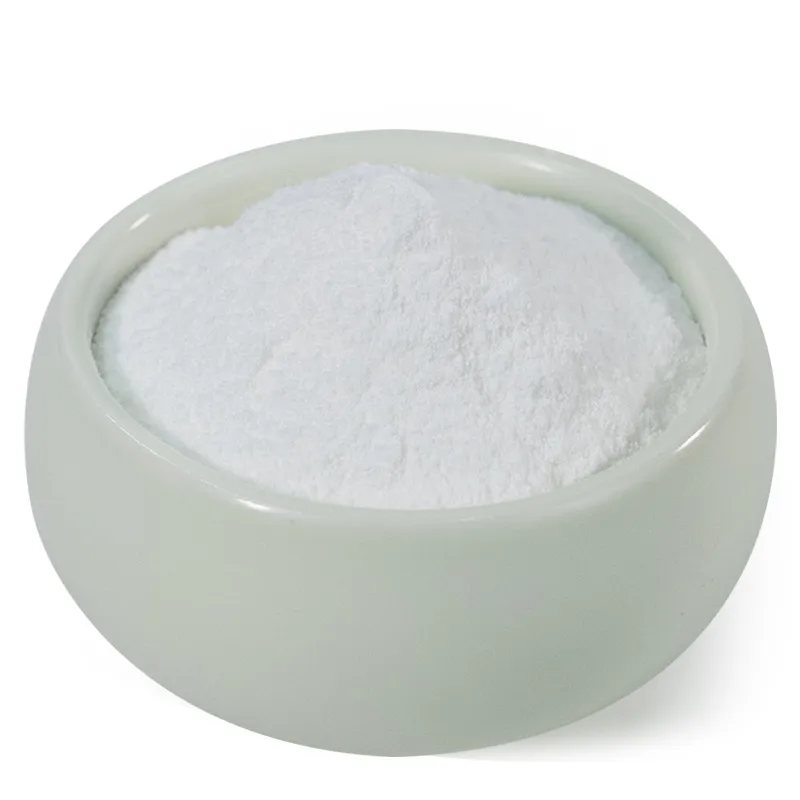
Appearance: White to off-white, free-flowing powder with a fine texture. Solubility: Easily soluble in water, forming a clear, viscous solution without visible particulates. Insoluble in organic solvents such as ethanol and acetone. - Purity: Typically ≥99% (with minimal impurities, meeting strict industry standards).
Stability: Stable under dry, cool, and dark storage conditions (recommended storage temperature: 2–8°C). Avoid exposure to high humidity or direct sunlight to prevent clumping.
Safety: Non-toxic, non-irritating, and biocompatible, making it suitable for use in food, dietary supplements, and other related industries.
Sodium hyaluronate is used for cosmetic addition and oral administration. The focus of process control of the two specifications is different, and the main difference lies in:
1. The wide control of heavy metals for cosmetics requires less than 20ppm.
Food grade requirements are less than 10ppm.
2. Microbial control at the cosmetic level mainly focuses on Pseudomonas aeruginosa and Staphylococcus aureus. Food grade mainly controls e. coli and Salmonella.
3, Cosmetic Grade pay more attention to the control of the appearance of the product solution, such as transmittance and absorbance requirements are relatively high.
Food grade due to the final product appearance of a small impact, so the control range is wider.
4. Food grade has strict requirements on the bulk density of products. Too much or too little density will affect the volume of finished products. Cosmetic grade has less requirement for bulk density, and density has less influence on the final product.
Pharmaceutical grade hyaluronic acid has higher requirements on production and product technical indicators, and pharmaceutical grade hyaluronic acid raw materials have higher requirements on purity, which must pass the approval process of raw materials and auxiliary drugs, and it has stricter requirements on nucleic acid, endotoxin and other impurities control.
Food grade consumption ≤200mg/ day
Cosmetic level recommended dosage: 0.05% ~ 0.5%
Other products that can be used for cosmetic addition and food addition can also be controlled from the above aspects.
If you would like to learn more about the product information of sodium hyaluronate, please click on the icon on the right to leave a message, and Natural Field staff will contact you to send a COA
Contact With Us:
E-mail: Sales@natural-field.com
Have a Questions? Call Us:
Add:
5th Floor, Building B, No.57 Keji 3rd Road, Xi'an 710065 China