I. Key Differences Between NAD Liposomes and Traditional NAD
The essential difference between NAD liposomes and traditional NAD (including NAD+, NADH, etc.) does not lie in the functional components of NAD itself, but in the innovation of the "delivery method" — the former achieves precise and efficient delivery through liposome carriers, while the latter is directly supplemented in a free form. There are significant differences between the two in terms of structure, stability, and absorption efficiency, which can be specifically divided into four dimensions:
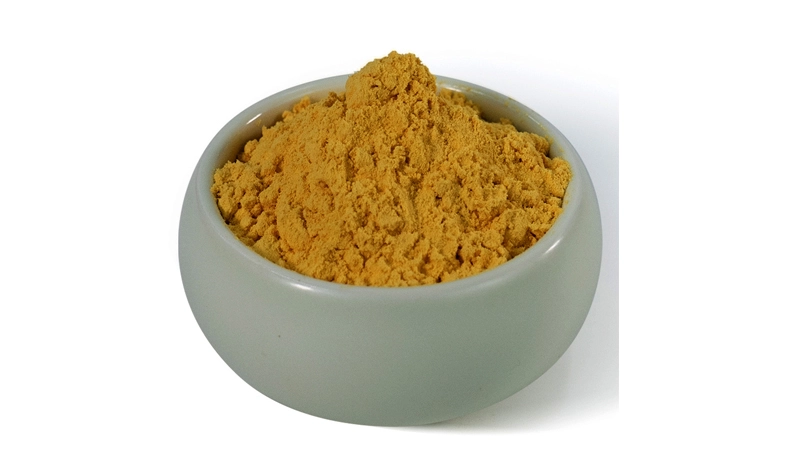
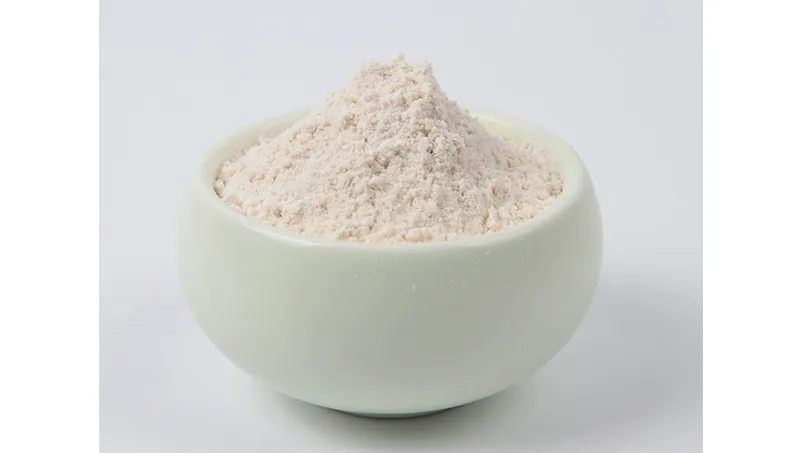
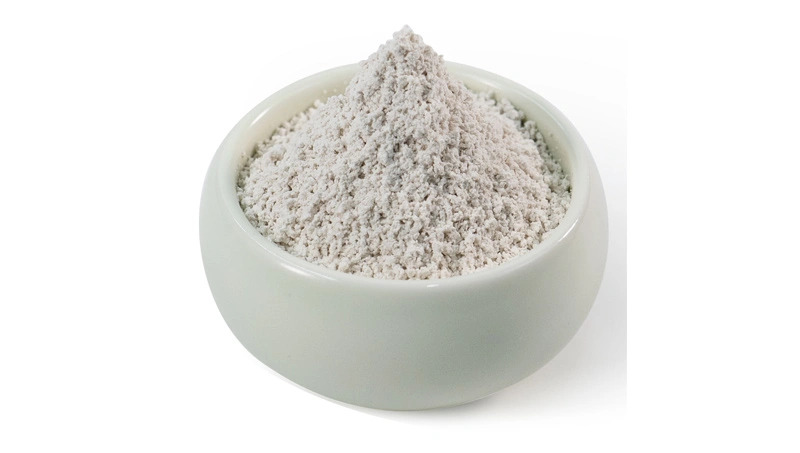
First, structural differences. Traditional NAD is a single small-molecule active substance with a molecular formula of C₂₁H₂₈N₇O₁₄P₂ and a clear CAS number (53-84-9). It is a white to pale yellow powder with good water solubility but unstable structure. In contrast, NAD liposomes are encapsulated complexes of "NAD active ingredients + liposome carriers". Liposomes are nanoscale bilayer vesicles composed of phospholipids and cholesterol, without a unified fixed molecular formula or specific CAS number. Their core is to wrap NAD molecules inside liposome vesicles with a cell membrane-like structure, forming a composite structure of "protective layer + core ingredients". They also appear as white powder but have significantly improved stability, and this structure is the core feature that distinguishes them from traditional NAD.
Second, stability differences. The activity of traditional NAD is extremely susceptible to external environmental influences. After oral administration, it enters the stomach and is quickly degraded and destroyed by gastric acid and gastrointestinal enzymes. Most of it cannot reach the intestinal absorption site. Even if a small amount survives, it is easily oxidized and inactivated during blood transport. Poor stability has become the primary obstacle to its functional exertion. The phospholipid bilayer shell of NAD liposomes can form a natural barrier, effectively isolating gastric acid, digestive enzymes, and oxidative environments, protecting the activity of NAD molecules. At the same time, it can also reduce degradation in solutions and extend the shelf life (up to 2-3 years under specified storage conditions), ensuring that active ingredients can reach the target site intact. This advantage is particularly obvious in liquid-form NAD liposome products.
Third, absorption efficiency differences. This is the most core difference between the two. Traditional NAD has a large molecular weight and is a water-soluble substance. After oral administration, it needs to rely on limited transport proteins in the intestines for absorption, which is restricted by transport capacity. At the same time, it also undergoes first-pass metabolism in the liver and is further cleared by the liver enzyme system. Finally, only 5%-30% of the oral dose can enter the cells to exert its effect, with a bioavailability of less than 20%. Thanks to its nanoscale size (100-200 nanometers in diameter) and cell membrane-like structure, NAD liposomes can directly fuse with intestinal cell membranes and deliver NAD molecules intact into cells through endocytosis without relying on transport proteins, while bypassing liver first-pass metabolism and greatly reducing transport loss. The latest clinical data show that the bioavailability of high-quality NAD liposomes can be as high as 4.5 times that of traditional NAD. After administration, the NAD+ level in the body increases significantly within 30 minutes, which is much better than the absorption efficiency of traditional NAD, and the effect can last for more than 12 hours.
Fourth, differences in effect. Due to the low absorption efficiency and high loss of traditional NAD, the increase in intracellular NAD+ levels after supplementation is slow and the effect is short-lived. Often, large doses need to be taken to achieve the expected effect. At the same time, large-dose administration may also increase gastrointestinal burden and cause mild discomfort. With its efficient delivery capacity, NAD liposomes can achieve a significant increase in intracellular NAD+ levels with small doses, which can faster activate cellular energy metabolism, repair DNA damage, delay cellular aging, and reduce gastrointestinal irritation. User survey data show that 82% of users reported "faster recovery after staying up late" and "clearer mind at work", 76% of middle-aged and elderly users feedback "increased deep sleep duration", and 65% of users mentioned "faster recovery from muscle soreness after exercise". These actual experiences also confirm that it has more significant and long-lasting effects in regulating nerve function, improving sleep, and enhancing exercise endurance, truly achieving the supplementary advantage of "small dose, high efficiency".
II. Liposome Technology Empowers NAD, Unlocking Multiple Core Advantages
The advantages of NAD liposomes are essentially empowered by liposome technology. As a nanoscale delivery carrier, liposomes were initially used in the pharmaceutical field and have now crossed over to the dietary supplement industry. With their unique structural characteristics, they have accurately solved the industry pain points of traditional NAD supplements and provided four core supports for the exertion of NAD's effects. They are not only applicable to NAD but also widely used in the delivery optimization of various nutrients such as vitamins and glutathione, and related technologies are still continuously iterating and upgrading:
First, strong protection to lock in activity. The phospholipid bilayer structure of liposomes is homologous to the human cell membrane, which can wrap NAD molecules inside like a "bulletproof vest", isolating the erosion of gastric acid and gastrointestinal enzymes, and avoiding the degradation of NAD before it reaches the intestinal absorption site. At the same time, it can also prevent NAD from reacting with oxidative substances in the blood, reduce activity loss, and ensure that every part of NAD can be delivered to the inside of cells in a fully active state to exert its effect. This protective effect is also the core reason why the stability of NAD liposomes is significantly better than that of traditional NAD. It is especially suitable for easily degradable active ingredients such as NAD, which can effectively extend the product shelf life and ensure the stability of product efficacy.
Second, precise targeting and efficient delivery. The cell membrane-like structure of liposomes endows them with "cell recognition" ability, which can accurately recognize human cells and directly deliver the wrapped NAD molecules into cells through membrane fusion or endocytosis, without going through complex transport processes, avoiding the problem of "peripheral circulation loss" of traditional NAD. Its targeting ability comes from the synergistic mechanism of "passive + active + responsive", which can not only achieve extensive cell delivery but also realize targeted delivery to specific tissues such as the liver and nerves through surface modification, further improving the specificity of efficacy. This targeted delivery capacity allows NAD to accumulate rapidly in cells, increase local concentration, extend the action time, and make anti-aging, energy supplementation and other effects appear faster.
Third, improve bioavailability and reduce dosage. As mentioned earlier, the bioavailability of traditional NAD is extremely low, and large doses need to be taken to achieve the effect. Liposome technology can greatly improve the bioavailability of NAD — the bioavailability of high-quality NAD liposomes is 4.5 times that of traditional NAD, and the bioavailability of liposome-encapsulated related nutrients (such as glutathione) can even be increased by 13 times. This means that taking a small amount of NAD liposomes can achieve the same or even better effect as a large dose of traditional NAD, which not only reduces the user's medication cost but also reduces the gastrointestinal burden possibly caused by large-dose administration, improving the safety and compliance of administration. This is also one of the most competitive advantages of NAD liposomes compared with traditional NAD.
Fourth, improve applicability, expand dosage form scenarios, and continuous upgrading of preparation technology. Although traditional NAD has good water solubility, it has poor stability and is difficult to adapt to various dosage forms such as liquids and soft capsules. In addition, some NAD derivatives have a slight odor, which affects the taking experience. Through encapsulation technology, NAD liposomes can mask the odor of NAD, improve their solubility and stability in different solvents, and adapt to various dosage forms such as tablets, capsules, solid beverages, and liquids, meeting the taking habits of different groups of people (such as the different needs of the elderly, young people, and sports people). In addition, the sustained-release characteristics of liposomes can also reduce the frequency of administration, maintain a continuous efficacy effect, and further improve the user experience. In terms of preparation technology, the application of new processes such as microfluidic technology has reduced the liposome preparation time from 4 hours to less than 2 hours, and the encapsulation efficiency has exceeded 90%, far exceeding the traditional method, further improving the delivery efficiency and product quality of NAD liposomes.
III. Future Market Trends of NAD Liposomes: Opportunities and Potential Coexist, Leading Industry Upgrading
With the popularization of anti-aging awareness, the rise of the cellular health track, and the continuous maturity of liposome technology, NAD liposomes are rapidly seizing market share with their significant product advantages and have huge market potential in the future. Combining the global dietary supplement industry trends, technological development, and changes in consumer demand from 2025 to 2026, the market trends of NAD liposomes can be summarized into four directions. At the same time, they will benefit from the overall expansion dividend of the nanomedicine industry dominated by liposomes — liposomes have dominated the global nanomedicine market in 2025, the global liposome dietary supplement market size has reached 365.2 million US dollars in 2024, and it is expected to expand at a compound annual growth rate (CAGR) of 7.5% from 2024 to 2031, among which the Asia-Pacific region will grow the fastest with a CAGR of 9.5%:
Trend 1: Continuous expansion of market size, replacing traditional NAD as the mainstream. Currently, traditional NAD supplements still occupy a certain market share, but with the improvement of consumers' demand for "absorption efficiency" and "efficacy accuracy", NAD liposomes, as upgraded products, will gradually replace traditional NAD and become the mainstream category in the NAD supplement market. On the one hand, the anti-aging population is constantly expanding, extending from middle-aged and elderly groups to young groups. People who stay up late and are under great pressure have an urgent demand for cellular energy supplementation and anti-aging, providing a broad consumer base for NAD liposomes. On the other hand, in mature markets such as North America and Europe, policy dividends such as the FDA's approval of NMN as a dietary supplement, coupled with policy support for the nanomedicine industry in emerging markets such as China, have promoted the standardized development of NAD products. With higher bioavailability and safety, NAD liposomes will become the focus of enterprises' layout, further promoting the expansion of market size. From the perspective of market performance, high-quality NAD liposome products have achieved impressive results of monthly sales of over 6,000 bottles on JD.com and a repurchase rate of 92.7%, confirming the improvement of market recognition. It is expected that in the next 5-10 years, the NAD liposome market will maintain a double-digit growth rate and become the core growth pole of the anti-aging track.
Trend 2: Continuous technological iteration, refined and differentiated product development. Liposome technology is still constantly upgrading and will develop in the direction of "more precise, more efficient and safer" in the future. In terms of preparation technology, new processes such as microfluidic technology and supercritical fluid method are gradually popularized. Microfluidic technology can greatly improve the uniformity of liposome particle size with encapsulation efficiency exceeding 90%, while supercritical fluid method can realize solvent-free synthesis, avoid organic solvent residue toxicity, and further improve product safety and quality [4]. At the same time, enterprises will increase R&D investment, optimize liposome formulations, reduce liposome size, and further improve the delivery efficiency of NAD. In terms of product layout, refined and differentiated products will be launched according to the needs of different groups of people — such as the "NAD liposomes + CoQ10 + PQQ" composite formula for middle-aged and elderly groups, the "portable NAD liposome solid beverage" for young groups, and the "fast-absorbing NAD liposome oral liquid" for sports people, meeting the personalized needs of different scenarios and different groups of people. At the same time, clinical evidence will become the core support for product differentiation. Enterprises will increase investment in human clinical trials, prove product efficacy with data, and build core competitiveness. For example, the 4th generation product of Baishengtai has built an insurmountable technical barrier with Harvard clinical data and a complete component synergy matrix.
Trend 3: Continuous expansion of application scenarios, extending from anti-aging to multiple health fields. Currently, the application of NAD liposomes is mainly concentrated in the fields of anti-aging and cellular energy supplementation, but with the maturity of technology and in-depth research, their application scenarios will continue to expand. In the future, NAD liposomes will gradually extend to multiple health fields such as nerve health (improving memory and delaying nerve aging), liver health (assisting liver metabolism and repairing liver cells), sports nutrition (enhancing exercise endurance and accelerating muscle recovery), and skin health (combining oral and external use to improve skin dullness and fine lines). In addition, the versatility of liposome technology will promote the synergistic application of NAD liposomes with other active ingredients, forming a "liposome composite nutrition" track. For example, combining with glutathione, vitamin C, curcumin, nattokinase and other ingredients to achieve the effect of "1+1>2", further expanding the market space. For example, Infini Pharmaceutical's LipoAvail® liposome platform has realized liposome encapsulation of various ingredients such as NAD+, glutathione, and vitamin C; the 4th generation of Baishengtai has built a "NMN + CoQ10 + PQQ" triple synergistic anti-aging matrix, realizing comprehensive anti-aging from cells to systems, and promoting the R&D and landing of multiple health products.
Trend 4: Intensified market competition, gradual improvement of industry concentration, and compliance becoming the core premise. With the rise of the NAD liposome market, more enterprises will enter the market, including traditional dietary supplement enterprises, biotechnology enterprises, and pharmaceutical enterprises, and market competition will gradually intensify. In the initial stage, there may be homogeneous competition in the market (such as simply competing for liposome size and encapsulation efficiency), but with the deepening of competition, enterprises with core technologies, R&D capabilities, compliance advantages, and brand influence will stand out, and the industry concentration will gradually improve. In the future, the market will form a pattern of "leading by leading enterprises and supplementing by small and medium-sized enterprises" — leading enterprises will occupy the main market share with technological advantages, production capacity advantages, and brand advantages, focusing on the mid-to-high-end market; small and medium-sized enterprises will focus on segmented fields and segmented groups of people to create characteristic products and avoid homogeneous competition. At the same time, governments of various countries have introduced relevant policies to increase support for the nanomedicine industry and improve the regulatory system. Compliance will become the core premise for enterprises' survival. Enterprises will pay more attention to raw material quality control, production process standardization, and regulatory compliance layout, and take the initiative to adapt to the regulatory requirements of different regions around the world to promote the standardized development of the industry. In addition, cross-border cooperation will become an industry trend. Biotechnology enterprises will cooperate with pharmaceutical enterprises and food enterprises to realize technology transformation and product landing and improve market competitiveness; industry-university-research cooperation between universities and enterprises will also promote the rapid transformation and application upgrading of liposome technology [4].
IV. Conclusion
The emergence of NAD liposomes is the perfect combination of liposome delivery technology and NAD active ingredients. It has completely solved the pain points of traditional NAD supplements such as "poor absorption, weak stability, and limited efficacy". Through the advantages of strong protection, precise delivery, and efficient absorption, it has fully exerted the anti-aging and cellular health effects of NAD. Combined with the latest clinical data and market feedback in 2026, it has become an "innovative product" in the anti-aging track. The continuous iteration of liposome technology, especially the application of new processes such as microfluidic and supercritical fluid methods, has further improved the product quality and competitiveness of NAD liposomes. It has not only increased the product value of NAD but also promoted the upgrading of the dietary supplement industry from "simple nutrition supplementation" to "precise delivery and efficient absorption", opening a new era of "precision nutrition".
From the perspective of market prospects, with the upgrading of consumer demand, continuous technological iteration, and expansion of application scenarios, NAD liposomes have huge market potential in the future. They will gradually replace traditional NAD, become the mainstream category in the anti-aging and cellular health track, and lead the continuous growth of the liposome dietary supplement industry. However, at the same time, the market also faces challenges such as technological R&D, homogeneous competition, and regulatory supervision. Only enterprises with core technologies, R&D capabilities, and compliance awareness can gain a firm foothold in the industry competition and seize market opportunities. In the future, with the landing of more R&D investment, the deepening of industry-university-research cooperation, and product innovation, NAD liposomes will provide more efficient and precise solutions for human health and promote the anti-aging and cellular health industry to enter a new stage of development.
 English
 français
 Deutsch
 Español
 русский
 português
 日本語
日本語