Shatavari is rising popularity in the global health and wellness industry is driven primarily by three major trends — the booming women’s health segment, the revival of Ayurvedic herbs, and the shift toward natural ingredients — supported by mature supply chains, strong product adaptability, and favorable compliance and scientific validation.
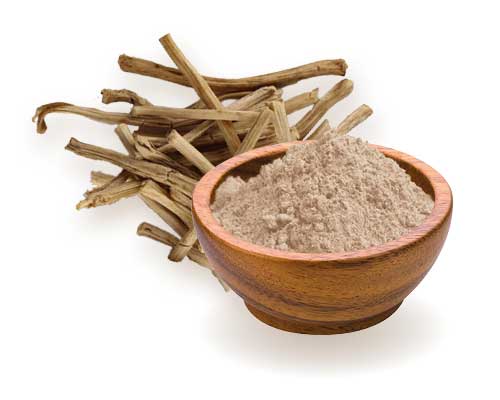
1. Rapid Growth of the Women’s Health Market
The global women’s health supplement market is expanding at a fast pace. Shatavari occupies a unique position by supporting women’s health across the full life cycle — covering menstrual health, fertility, postnatal recovery, and menopausal support — targeting core pain points for women aged 20 to 50+.
There is a surging consumer preference for non-hormonal, natural, and gentle conditioning solutions. Shatavari fills a key gap in hormone balance support, positioning itself away from pharmaceuticals and synthetic hormones, and aligning with the global shift toward preventive and long-term wellness.
Its consumer base has expanded far beyond traditional Ayurvedic users to include urban professionals, prenatal and postnatal groups, and menopausal women, supporting both higher average order values and repeat purchase rates.
2. Category Trend,The Global Revival of Ayurveda
Post-pandemic consumers have shifted focus from treatment to holistic well-being and physical balance, driving strong growth in awareness and acceptance of Ayurveda worldwide.
Mainstream adoption has accelerated through modern science:
Clinical studies support its role in hormonal balance and women’s health, reducing market education costs for brands.
The development of standardized extracts with clear active components improves product stability and traceability, suitable for multiple formulations.
Its traditional reputation as a “queen of herbs,” combined with global promotion by established Ayurvedic brands, creates a dual trust foundation of traditional wisdom and modern science.
3. Product & Supply Chain Advantages
Shatavari is highly commercialization-friendly:
Versatile formulations: Suitable for capsules, tablets, powders, teas, liquids, and personal care products.
Strong compatibility: Can be blended with ashwagandha, rhodiola, chasteberry, and other trending ingredients to create premium multi-benefit formulas.
Mild safety profile: Suitable for long-term daily use with broad appeal and strong repeat-buy potential.
Supply chains are stable and scalable, with large-scale cultivation in India and Nepal, and mature GMP manufacturing supporting smooth export to major markets.
4. Compliance Advantages
Unlike ashwagandha (stress management), rhodiola (fatigue relief), or chasteberry (menstrual care), Shatavari differentiates itself through dual properties of full-cycle women’s health support and adaptogenic benefits.
The market remains in an early growth stage with a fragmented competitive landscape, leaving significant room for new brands and ingredient suppliers.
It also benefits from favorable compliance, widely accepted as a dietary supplement ingredient in major markets with relatively low approval barriers.
5. Market Outlook
In summary, Shatavari’s prominence comes from its alignment with the fast-growing women’s health sector, the Ayurvedic renaissance, and the natural ingredient movement. Supported by a reliable supply chain, formulation flexibility, scientific support, and favorable regulation, it is expected to maintain high growth over the next 3–5 years as a key ingredient in women’s health.
 English
 français
 Deutsch
 Español
 русский
 português
 日本語
日本語