English
 français
 Deutsch
 Español
 русский
 português
As a high-bioavailability and well-tolerated high-quality magnesium supplement raw material, magnesium glycinate is widely used in food, health products, pharmaceuticals and other fields. Choosing a reliable supplier directly determines the quality, compliance and market competitiveness of end products. However, the qualifications of suppliers in the current market are uneven, and product quality varies greatly. How to accurately select high-quality partners?
Combining the product characteristics of magnesium glycinate, this article provides a comprehensive selection guide from key dimensions such as core quality, efficacy adaptability, compliance qualifications, and supply capacity, and takes Natural Field Co., Ltd., a high-quality enterprise in the industry, as an example to analyze the core competitiveness of high-quality suppliers.
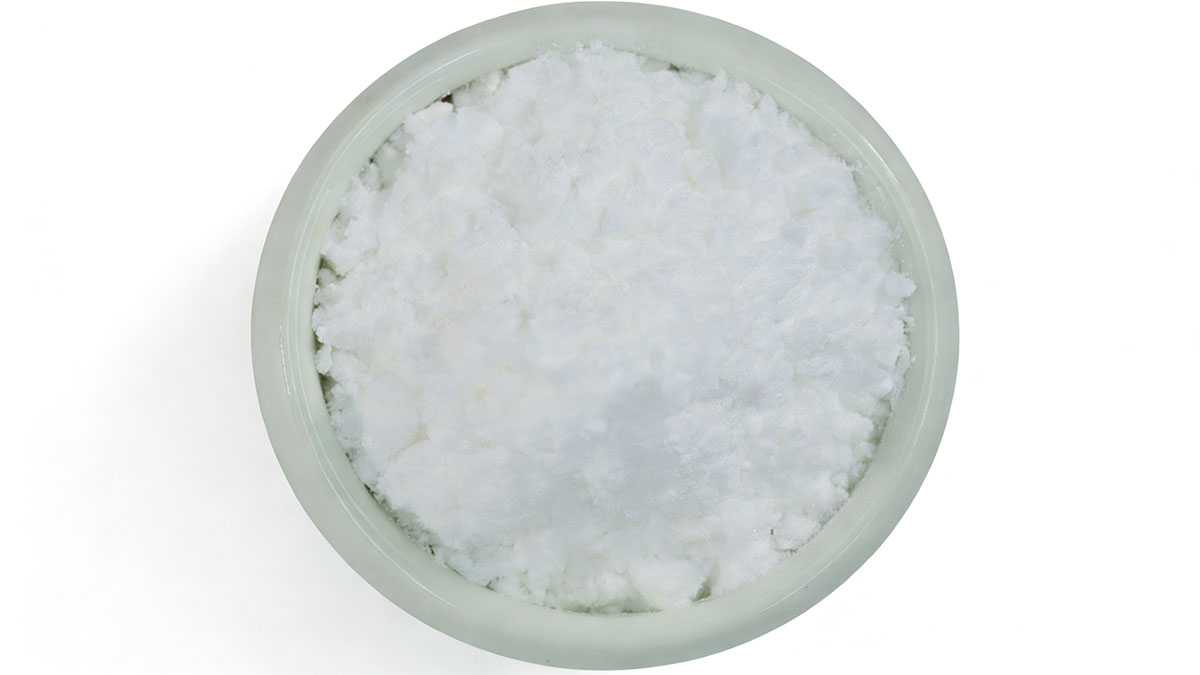
Product quality is the core premise for selecting suppliers, and focus should be paid to the structural characteristics, purity and stability of magnesium glycinate. High-quality magnesium glycinate should be a stable six-membered cyclic chelate formed by magnesium ions and glycine at a ratio of 1:2 (molecular formula C₄H₈MgN₂O₄, molecular weight 172.43), with an appearance of uniform white to off-white powder, good solubility in aqueous solution, and a stable pH value in the neutral range of 6.5-7.5. This chelate structure can solve the pain points of low bioavailability and strong gastrointestinal irritation of traditional inorganic magnesium salts, and is a core symbol of quality.
When screening, it is necessary to verify the product indicators of suppliers: prioritize pure magnesium glycinate (rather than mixed amino acid chelated magnesium), whose theoretical magnesium content is 15.8%, and the actual product (affected by crystal water and purity) should be stably in the range of 11%-15%, avoiding products with large fluctuations in magnesium content; at the same time, pay attention to bioavailability. High-quality products are efficiently absorbed through intestinal amino acid transporters, and the bioavailability should reach more than 80%-85%. Suppliers can be required to provide third-party test reports for confirmation. In addition, indicators such as product purity, impurity content, and heavy metal residues also need to be strictly verified to ensure compliance with subsequent production requirements.
Different end products have different efficacy focuses on magnesium glycinate. High-quality suppliers should be able to provide products that meet the needs, and even give targeted formula suggestions. The core efficacy of magnesium glycinate focuses on improving sleep, supporting muscle health, maintaining bone and cardiovascular health, and gentle magnesium supplementation (suitable for special groups). When screening, it is necessary to combine the positioning of their own products, evaluate whether the supplier's products can match the efficacy needs, and at the same time pay attention to their formula support capabilities.
High-quality suppliers should understand the synergistic sleep-improving effect of magnesium glycinate with melatonin and GABA, and be able to suggest reasonable ratios; if the product is positioned as natural and gentle, attention can be paid to whether the supplier can provide matching schemes with herbal ingredients such as lavender and chamomile to help enhance product competitiveness. At the same time, suppliers can be verified for relevant application cases to ensure that their experience can match the R&D needs of sleep-improving products.
Sports nutrition products require magnesium glycinate to quickly supplement magnesium ions and promote lactic acid metabolism. Suppliers should be able to provide products with good solubility and fast absorption; for bone health products, attention should be paid to whether the supplier understands the synergistic mechanism of magnesium glycinate with vitamin D₃ and vitamin B₆, and can give formula suggestions to improve calcium absorption and utilization. In addition, according to the product characteristics for sports groups and the elderly, suppliers need to ensure the efficacy stability of products in different dosage forms (energy bars, electrolyte water, supplements).
For products targeting pregnant women, lactating women, the elderly, and people with weak gastrointestinal functions, magnesium glycinate that is gentle and non-irritating to the gastrointestinal tract should be selected. When screening, suppliers can be required to provide safety test reports to confirm that the product has no risk of gastrointestinal irritation; at the same time, attention should be paid to whether the supplier understands the nutritional needs of special groups and can provide product specifications that meet relevant standards, avoiding affecting product adaptability due to raw material issues.
The application of magnesium glycinate needs to comply with the regulatory requirements of the target market. High-quality suppliers should have complete compliance qualifications and be able to provide guarantee for the global circulation of products. When screening, it is necessary to combine the sales area of their own products and focus on verifying whether the supplier meets the standards of the corresponding country/region. Specifically, it can be started from the following aspects:
It is necessary to confirm that the supplier's products are listed as Generally Recognized as Safe (GRAS) by the FDA, comply with USP (United States Pharmacopeia) standards, and can provide compliance evidence for relevant health claims (such as supporting muscle function, relieving fatigue, etc.), to avoid affecting product launch due to lack of qualifications.
The supplier's products need to comply with the EU Food Supplements Directive 2002/46/EC, meet EP (European Pharmacopoeia) standards, and can provide evidence of health claims approved by EFSA (European Food Safety Authority) (such as reducing fatigue, maintaining electrolyte balance, etc.) to ensure the compliant launch and sale of products.
It is necessary to confirm that the supplier's products are included in the list of permitted therapeutic raw materials by TGA (Therapeutic Goods Administration of Australia), comply with TGA standards, and can provide suggestions for compliant warning label labeling to ensure the trust of products in the local market.
It should be noted that magnesium glycinate is not directly included in the list of magnesium sources in GB 14880-2012 "National Food Safety Standard for the Use of Food Nutritional Fortifiers". High-quality suppliers should be able to provide relevant guidance on declaring as food raw materials or new food resources, be familiar with the latest revision dynamics of domestic standards, and help products comply with the layout of the Chinese market (such as sports drinks, meal replacement foods, functional candies and other scenarios).
In addition to products and compliance, the supplier's production strength, supply chain stability, and service capabilities are also key to long-term cooperation. High-quality suppliers should have large-scale production capacity, full-chain quality control system, global supply network, and customized service capabilities. Specifically, they can be evaluated from the following aspects:
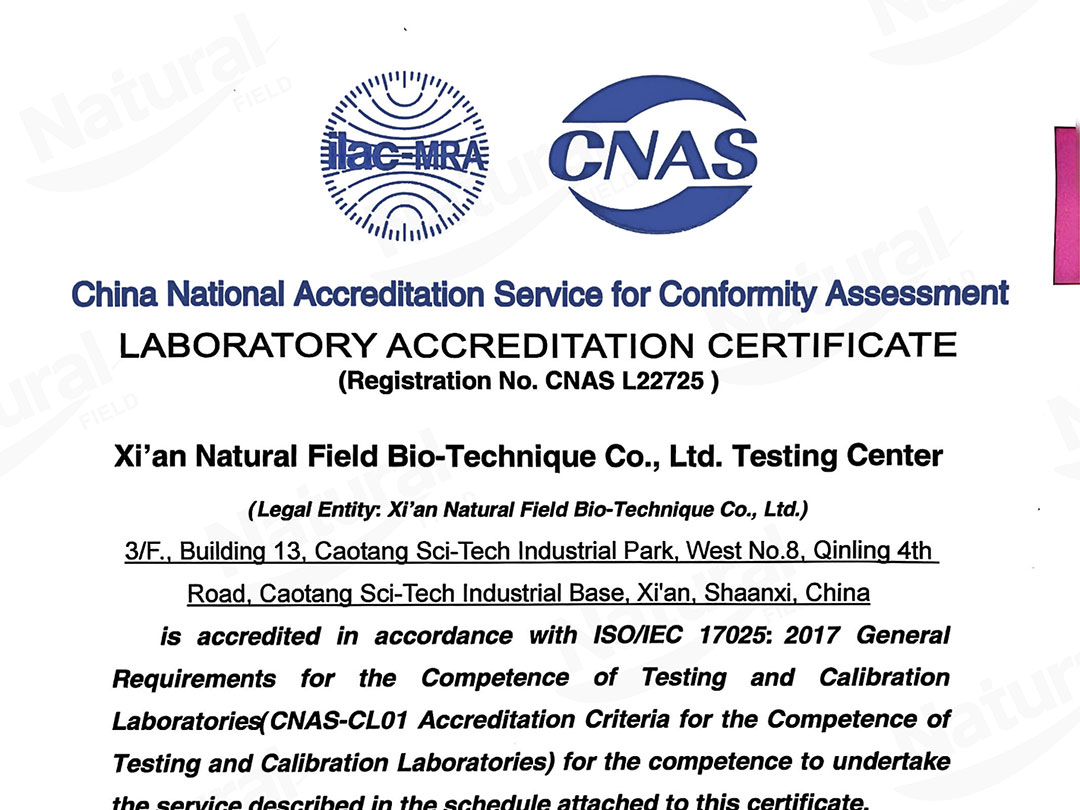
Investigate whether the supplier has GMP-standard production factories, clean workshops and professional quality control centers, and whether it has obtained authoritative certifications such as CNAS certification. A sound full-chain traceability system from raw material procurement to finished product delivery is an important guarantee for product quality stability. At the same time, understand the supplier's production scale and capacity to ensure that it can meet the delivery needs of bulk orders and avoid supply disruptions due to insufficient production capacity.
Suppliers with a stable global supply network can better adapt to the needs of cross-border sales of products. It is necessary to understand the supplier's sales scope and cooperative logistics channels, and whether they can provide efficient and reliable logistics solutions to ensure that products can be delivered to the target market on time. For enterprises with global business layout, suppliers with rich cross-border supply experience can effectively reduce logistics risks and customs clearance difficulties.
Different end product manufacturers have different requirements for raw material specifications (such as particle size, purity, dosage form adaptation). High-quality suppliers should be able to provide customized raw material specifications according to customer needs. At the same time, they should have professional technical teams that can provide formula optimization suggestions and technical support to help customers solve problems encountered in product development and production.
Understanding the supplier's cooperative customers, especially whether they have cooperation experience with well-known brands in the industry, can intuitively reflect the supplier's comprehensive strength and product recognition. In addition, investigating the supplier's industry reputation through industry associations, customer evaluations and other channels is an important reference for ensuring long-term stable cooperation.
Xi'an Natural Field Bio-Technique Co., Ltd. (Natural Field), as a high-tech enterprise deeply engaged in the field of nutritional raw materials, its comprehensive strength meets the core standards of high-quality magnesium glycinate suppliers and can be used as a screening reference. Its specific advantages are as follows:
It has a professional R&D team of 32 people and 39 national patents. Its original co-loaded liposomal technology has obtained global patent certification. When applied to the production of magnesium glycinate, it can further improve product stability and bioavailability, solve the problem of insufficient solubility of traditional products, and can be adapted to multiple dosage forms such as liquid drinks and soft capsules, providing support for the innovation of end products. At the same time, it can provide third-party test reports to confirm core indicators such as product purity and bioavailability.
It has built GMP-standard factories, clean workshops and professional quality control centers, passed CNAS certification, and established a full-chain traceability system from raw material procurement to finished product delivery. The products comply with international standards such as USP, EP and FCC, have passed quality management system certifications such as FSSC 22000, ISO 22000 and ISO 9001, as well as multiple international certifications such as HACCP, Kosher and Halal, which can meet the compliance requirements of different global markets and reduce product launch risks.
The products are exported to 86 countries and regions around the world, covering core markets such as Europe, the Americas and Southeast Asia, with an annual sales volume of hundreds of millions of yuan. It has a stable global supply chain network and can ensure the timely delivery of bulk orders. It has served well-known brands such as Nestlé, LG and Jingjiu, with rich experience. It can provide customized raw material specifications and formula technical support according to customer needs, and quickly respond to product development needs in different markets.
Adhering to the raw material concept of "natural, pure and safe", it adopts green and environmentally friendly production processes and focuses on energy conservation and emission reduction, in line with the global sustainable development trend. Through strict raw material screening and refined production, it ensures that the product has high purity, low impurities and heavy metal residues far below international limits, which can help end products build a safe and high-quality brand image and enhance market competitiveness.
Choosing a high-quality magnesium glycinate supplier requires a comprehensive evaluation around the four core dimensions of "product quality, efficacy adaptability, compliance qualifications, and supply capacity", which are indispensable. A high-quality supplier is not only a provider of raw materials, but also an important partner for end product innovation and market compliance.
Enterprises with technical advantages, strict quality control and stable supply capacity such as Natural Field Co., Ltd. have set a benchmark for high-quality suppliers in the industry. It is recommended to combine the positioning of their own products and market needs during screening, verify qualifications and test products from multiple dimensions, and finally establish a long-term and stable cooperative relationship to lay a solid foundation for the success of end products.