English
 français
 Deutsch
 Español
 русский
 português
 日本語
日本語
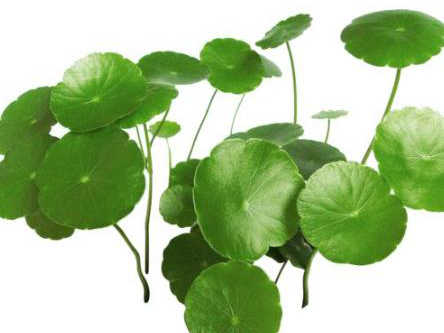
The core active components of Centella asiatica extract are triterpenoid saponins (asiaticosides), supplemented by flavonoids, polysaccharides, as well as minor components such as organic acids, volatile oils and amino acids. Among them, triterpenoid saponins are the key substances determining its physiological activity and also the most concerned components in industrial applications. The active characteristics of each component are highly correlated with the application fields, and they are widely applicable to skin care products, functional health products, pharmaceuticals, daily chemicals and other fields, serving as a cross-field natural plant raw material.
Madecassoside: It is the monomer with the strongest activity and optimal water solubility, and is the most commonly used Centella asiatica component in skin care products.
Asiaticoside: It has slightly better fat solubility and significant tissue repair-promoting effect, and is widely used in both pharmaceuticals and skin care products.
Asiatic acid: It has prominent antioxidant and anti-inflammatory activities, is fat-soluble, and is often used in functional health products and high-end skin care products.
Madecassic acid: It has both repair and antioxidant effects, has better water solubility than asiatic acid, and is suitable for the development of multi-dosage form raw materials.
Triterpenoid saponins (mainly madecassoside): They are mainly used for skin barrier repair and improving sensitive skin. Due to its good water solubility, madecassoside is suitable for water-based dosage forms such as toners, serums and facial masks. Asiaticoside and asiatic acid have excellent fat solubility, are suitable for oil-based dosage forms such as creams, lotions and essential oils, and are often added to acne-prone skin and post-medical aesthetic repair products.
Centella asiatica polysaccharides: They can replace some synthetic humectants in moisturizing lotions, creams and hand creams, and can also form a thin protective film on the skin surface to reduce external irritation.
Flavonoids: They assist in antioxidation and anti-inflammation, relieve skin dullness and redness caused by free radicals and external stimuli, and are often used as compound components in antioxidant skin care products.
Asiatic acid + madecassic acid: They mainly exert natural anti-inflammatory and antioxidant effects, are suitable for functional health products that alleviate mild inflammatory discomfort of the body and scavenge free radicals, and are mostly in the form of capsules and compressed candies.
Centella asiatica polysaccharides: They have intestinal microecology regulating activity, can be used as a prebiotic auxiliary component, and are added to intestinal health functional foods.
Total triterpenoid saponins: Some products use them as "body soothing" raw materials, suitable for soothing health products for mild muscle discomfort after sedentary sitting and exercise. They have no clear target organ effect and only serve as natural plant conditioning.
Asiaticoside: It is mainly used to promote skin wound healing, and is made into external ointments and gels, suitable for wound repair of burns, scalds, surgical incisions and chronic ulcers, accelerating fibroblast proliferation and collagen synthesis.
Madecassoside: It is auxiliary used for microcirculation regulation, and is added to some oral preparations to improve peripheral microcirculation disorders.