English
 français
 Deutsch
 Español
 русский
 português
 日本語
日本語
For supplement brands, nutrition companies, and ingredient distributors, sourcing reliable phosphatidylserine powder bulk requires more than comparing prices. The most important factors are raw material source, active content, testing standards, production capability, documentation, and supply consistency.
High-quality phosphatidylserine bulk powder should meet clear specifications for purity, phospholipid content, safety testing, and batch consistency. When evaluating phosphatidylserine powder suppliers, buyers should review technical documents, manufacturing standards, and quality control systems to ensure reliable long-term supply.
This guide explains the applications, specifications, and supplier evaluation criteria that professional buyers should consider when purchasing wholesale phosphatidylserine powder.
Phosphatidylserine powder is a phospholipid ingredient widely used in dietary supplements and functional nutrition products. It is naturally present in cell membranes and is valued by manufacturers for its role in cognitive health, sports nutrition, and healthy aging formulations.
Commercial phosphatidylserine is typically produced from plant-based sources such as sunflower lecithin or soy lecithin. Due to consumer demand for non-GMO and allergen-friendly ingredients, sunflower-derived phosphatidylserine has become increasingly popular in global markets.
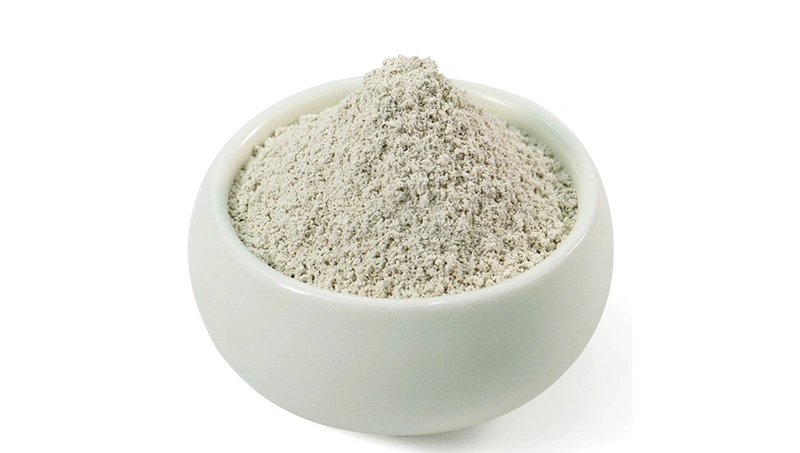
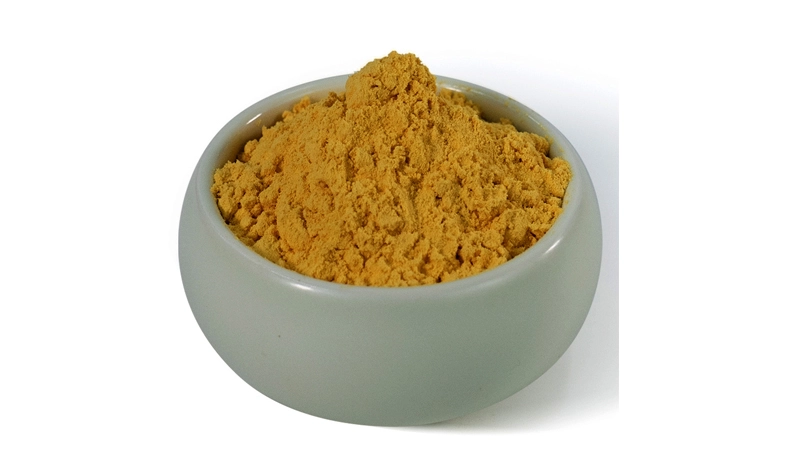
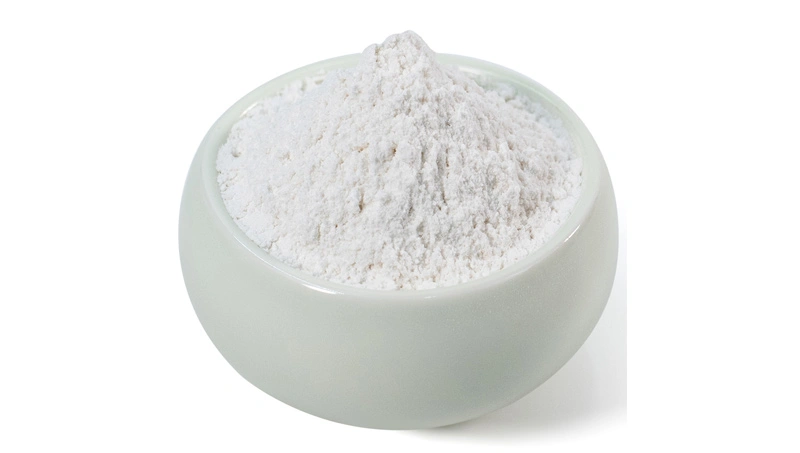
Industrial-grade phosphatidylserine powder bulk is usually supplied as a fine powder with standardized active phosphatidylserine content. Professional buyers commonly evaluate:
Phosphatidylserine assay percentage
Source material and extraction process
Appearance and powder characteristics
Heavy metal and microbial limits
Stability and shelf-life data
Compliance documentation
For companies purchasing from phosphatidylserine powder manufacturers, these quality indicators determine whether the ingredient can meet formulation requirements and regulatory expectations in different markets.
Phosphatidylserine powder is primarily used in nutritional supplements targeting cognitive function, mental performance, and healthy aging. Manufacturers incorporate it into capsules, tablets, powders, and functional beverages.
Common applications include:
Phosphatidylserine is widely used in brain health formulas designed for:
Memory support products
Focus and concentration supplements
Healthy aging formulations
Daily cognitive nutrition products
Many supplement brands combine phosphatidylserine with ingredients such as omega-3 fatty acids, vitamins, minerals, or botanical extracts to create comprehensive cognitive support formulas.
Sports nutrition manufacturers use phosphatidylserine in products targeting:
Exercise recovery
Training performance support
Physical stress management
Active lifestyle nutrition
Its compatibility with protein powders, capsules, and performance blends makes it suitable for different sports supplement formats.
With increasing demand for longevity-focused nutrition, phosphatidylserine has become an important ingredient in premium wellness products. Brands often include it in formulas designed for mature consumers seeking nutritional support.
Beyond capsules and tablets, manufacturers are exploring phosphatidylserine applications in:
Functional drinks
Nutrition powders
Meal replacement products
Specialized nutrition formulas
For these applications, powder dispersibility, stability, and formulation compatibility are key purchasing considerations.
When sourcing phosphatidylserine bulk powder, buyers should evaluate a complete technical specification sheet rather than focusing only on the advertised active percentage.
Important specifications typically include:
| Specification Item | Key Consideration |
|---|---|
| Active Content | Phosphatidylserine percentage (commonly standardized according to application needs) |
| Source | Sunflower or soy-derived phospholipids |
| Appearance | Light yellow to white powder depending on source and processing |
| Identification | Confirmed through analytical testing |
| Moisture Content | Controlled for product stability |
| Particle Size | Adjusted for formulation requirements |
| Microbial Limits | Compliant with food supplement standards |
| Heavy Metals | Tested for safety compliance |
Reliable phosphatidylserine powder manufacturers use multiple analytical methods to verify product quality.
Typical quality tests include:
Active ingredient analysis
Phosphatidylserine content testing
Phospholipid profile analysis
Identity verification
Safety testing
Heavy metals analysis
Microbial testing
Residual solvent testing
Pesticide testing when applicable
Physical property testing
Appearance inspection
Moisture analysis
Powder flow characteristics
Stability evaluation
A complete Certificate of Analysis (COA) should be available for each batch, showing test results, specifications, and quality approval information.
Packaging should protect phosphatidylserine from moisture, oxygen, and environmental exposure. Common wholesale packaging options include:
Aluminum foil bags for smaller commercial orders
Food-grade inner bags with protective outer cartons
Fiber drums for larger-volume shipments
For international supply, experienced suppliers should provide appropriate export packaging, labeling support, and documentation required by the destination market.
Selecting the right supplier requires evaluating technical capability, manufacturing standards, and supply chain reliability. A professional checklist should include the following:
The source of phosphatidylserine directly affects product positioning and market acceptance.
Key questions to ask suppliers:
Is the ingredient sunflower-derived or soy-derived?
Is the raw material non-GMO certified?
Are allergen statements available?
Is the supply chain traceable?
Sunflower-derived phosphatidylserine is often preferred for premium products because it meets many clean-label and allergen-conscious market requirements.
Experienced phosphatidylserine powder manufacturers should have:
Standardized production processes
Quality management systems
Batch traceability procedures
Controlled production environments
Consistent manufacturing capacity
Manufacturing experience is especially important for brands requiring repeat orders and stable supply.
Before purchasing wholesale phosphatidylserine powder, buyers should request:
Certificate of Analysis (COA)
Product specification sheet
Manufacturing certifications
Stability data
Regulatory support documents
A supplier that provides transparent documentation demonstrates stronger quality control and business reliability.
Quality-focused suppliers should perform testing throughout the production process, including:
Raw material inspection
In-process quality control
Finished product testing
Final batch approval
Third-party testing may also be requested for specific markets or regulatory requirements.
A reliable supplier should support customers with:
Flexible order quantities
Stable lead times
Technical consultation
Customized documentation
Export experience
For long-term cooperation, supplier communication and responsiveness are as important as product specifications.
Phosphatidylserine is widely used as a nutritional ingredient in supplement products. Manufacturers should ensure that purchased raw materials meet applicable quality and safety standards, including microbial and contaminant testing requirements.
The terms generally refer to the same ingredient, but “bulk powder” emphasizes that the product is supplied in commercial quantities for manufacturers, distributors, and supplement brands rather than retail consumers.
The required specification depends on the final application. Buyers should evaluate standardized phosphatidylserine content, testing methods, and product documentation rather than relying only on a single purity number.
Reliable verification includes reviewing COA reports, checking manufacturing certifications, confirming testing procedures, requesting samples, and evaluating the supplier’s production experience.
Both sources are commercially available. Sunflower-derived phosphatidylserine is often selected for non-GMO, soy-free, and allergen-conscious formulations, while soy-derived material remains widely used due to established production experience.
Yes. Professional manufacturers may offer customized packaging, documentation support, different specifications, and supply plans based on customer formulation and market requirements.
Purchasing phosphatidylserine powder bulk requires careful evaluation of product specifications, testing systems, manufacturing capability, and supplier reliability. For supplement companies and distributors, choosing experienced phosphatidylserine powder suppliers helps ensure consistent quality, regulatory confidence, and long-term supply stability.
A trusted supplier should provide not only high-quality phosphatidylserine ingredients but also complete technical support throughout product development, manufacturing, and global distribution.
This is the last one.