English
 français
 Deutsch
 Español
 русский
 português
 日本語
日本語
The global demand for organic mushroom extracts is soaring, driven by the rising interest in functional foods, immune support, and natural wellness solutions. Whether you're a supplement brand, a health food manufacturer, or a distributor, choosing the right supplier is critical to ensuring product quality, regulatory compliance, and consumer trust.
In this guide, we’ll walk you through the key factors to consider when sourcing organic mushroom extracts—and why partnering with a certified Chinese supplier can give your business a competitive edge.
Organic certification is more than a marketing label—it’s a guarantee of purity, sustainability, and safety. For the European and North American markets, two of the most recognized and respected certifications are:
• USDA Organic (United States Department of Agriculture)
This certification ensures that the product meets strict standards for organic farming, processing, and handling. It prohibits the use of synthetic pesticides, GMOs, and irradiation. Products labeled “USDA Organic” must contain at least 95% organic ingredients.
• EU Organic Certification
Equivalent in rigor to USDA Organic, the EU Organic certification guarantees that the product complies with European regulations on organic production, including environmental protection, animal welfare, and traceability.
When sourcing mushroom extracts, always verify that your supplier holds valid USDA and/or EU Organic certifications. These credentials not only enhance consumer confidence but also facilitate smoother customs clearance and market access in the US and Europe.
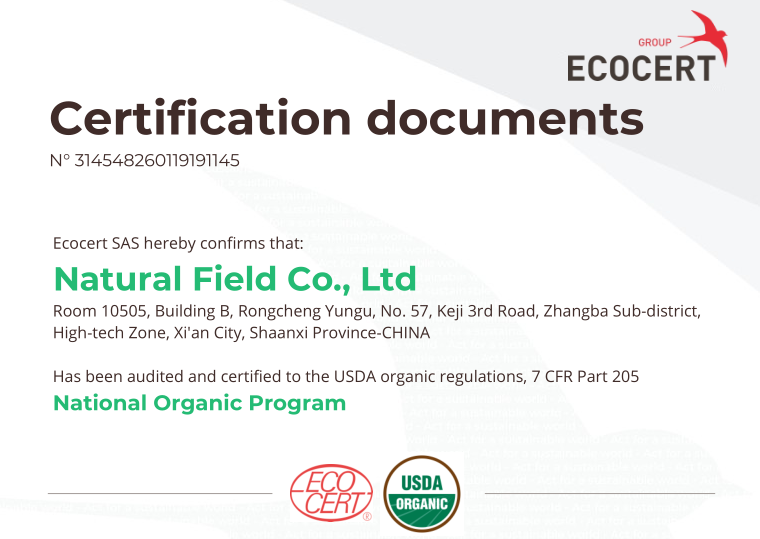
China has emerged as a leading global source for high-quality organic mushroom extracts, thanks to a combination of traditional expertise, advanced technology, and cost-effective production.
Here’s why many international brands are turning to Chinese suppliers:
• Rich Heritage in Medicinal Mushroom Cultivation
China has centuries of experience in cultivating medicinal mushrooms like Reishi (Lingzhi), Chaga, Lion’s Mane, and Cordyceps. This deep-rooted knowledge translates into superior cultivation practices and higher bioactive compound yields.
• Advanced Extraction TechnologiesLeading
Chinese manufacturers utilize cutting-edge methods such as supercritical CO₂ extraction, ultrasonic-assisted extraction, and dual extraction (water and alcohol) to maximize the potency of polysaccharides, triterpenes, and beta-glucans—key active compounds in mushroom extracts.
• Cost-Effective Without Compromising Quality
Thanks to economies of scale and efficient supply chains, Chinese suppliers often offer competitive pricing without sacrificing quality. Many are ISO 22000, FSSC22000, HACCP, and organic certified, meeting international food safety and quality standards.
• Full Traceability and Transparent Sourcing
Reputable suppliers provide detailed documentation on mushroom origin, cultivation conditions, and processing methods. Some even offer blockchain-based traceability, allowing buyers to track the journey from forest to finished extract.
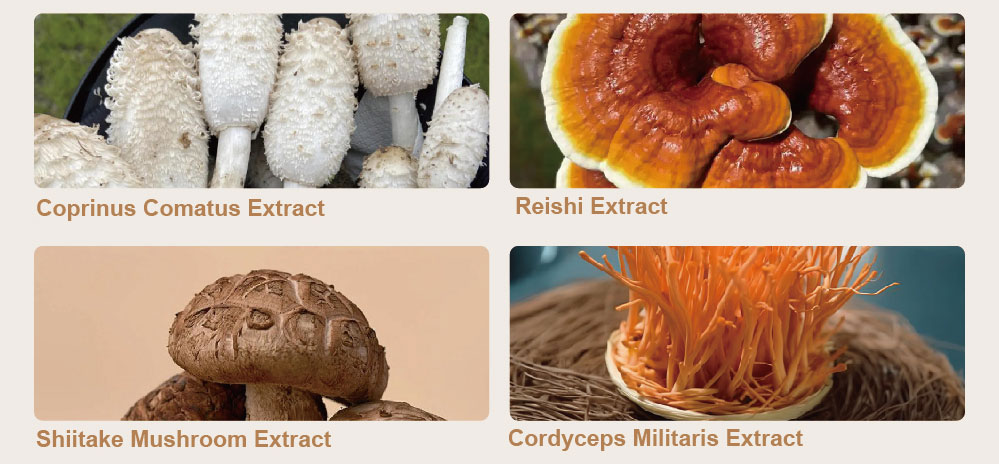
To ensure you’re partnering with a trustworthy and capable supplier, consider the following:
1. CertificationsLook for USDA Organic, EU Organic, ISO, GMP, and HACCP certifications. Request copies and verify their authenticity through official databases.
2. Extraction Method & Bioactive ContentAsk for test reports (e.g., HPLC, UV) that confirm the concentration of key compounds like polysaccharides, beta-glucans, or triterpenes. Dual-extracted products typically offer broader spectrum benefits.
3. Mushroom Part UsedExtracts made from fruiting bodies (the actual mushroom) are generally more potent than those from mycelium grown on grain. Clarify this with your supplier.
4. Customization & OEM/ODM ServicesA reliable supplier should offer flexible options for extract ratios, particle size, packaging, and private labeling to meet your brand’s needs.
5. Third-Party Testing & TransparencyChoose suppliers who conduct regular third-party testing for heavy metals, pesticides, microbes, and solvent residues—and are willing to share Certificates of Analysis (CoA).
Finding a reliable organic mushroom extract supplier requires due diligence, but the effort pays off in product quality, regulatory compliance, and brand reputation. With the right certifications—especially USDA Organic and EU Organic—and a partner who combines tradition with innovation, you can bring safe, effective, and premium mushroom-based products to the global market.
China’s leading suppliers are now meeting and exceeding international standards, making them a smart choice for health brands in Europe and the Americas. By prioritizing certification, transparency, and scientific validation, you can build a supply chain you—and your customers—can trust.