English
 français
 Deutsch
 Español
 русский
 português
 日本語
日本語
Botanical extracts are concentrated plant-derived ingredients used in nutraceuticals, functional foods, and formulation development. Among commonly studied botanical ingredients, Hovenia dulcis extract, Garcinia extract, and dihydromyricetin (DHM) are frequently discussed due to their distinct chemical profiles and applications.
Key terms such as hovenia dulcis extract, garcinia extract powder, garcinia cambogia extract powder, dhm powder, and dihydromyricetin extract are widely used in ingredient research, product formulation, and functional ingredient development. This article explains their differences, forms, and general applications in a structured and neutral way.
Hovenia dulcis extract is derived from the Japanese raisin tree (Hovenia dulcis). It contains various plant-based compounds, including flavonoids and polyphenols, depending on extraction methods.
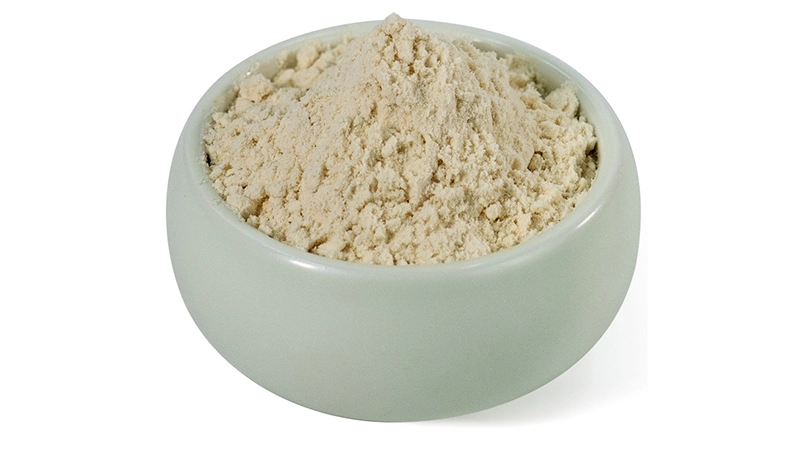
In ingredient form, hovenia dulcis extract is typically produced as a concentrated powder or standardized extract. Common characteristics include:
Plant-derived flavonoid composition
Available in powder or concentrated extract form
Used in botanical formulation research and product development
Its composition may vary depending on plant part used (fruit, stem, or leaf) and extraction process.
Garcinia extract powder is obtained from the fruit of Garcinia cambogia. It is one of the most widely studied botanical extracts due to its standardized active compound content.
In many formulations, garcinia extract powder or garcinia cambogia extract powder is standardized based on hydroxycitric acid (HCA) content.
Typical features include:
Standardization often expressed as HCA percentage (commonly 50%–60%)
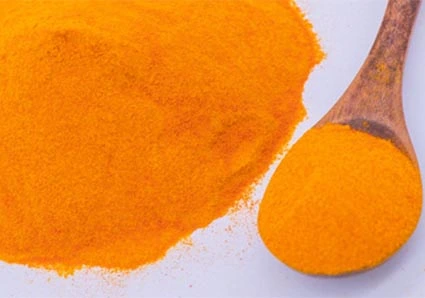
Yellow to light brown powder appearance
Common use in functional food and supplement formulations
Due to its standardized nature, garcinia extract is often used as a reference botanical ingredient in formulation design.
Dihydromyricetin (DHM) is a natural flavonoid compound mainly extracted from Hovenia dulcis leaves. It is structurally classified as a flavanonol and is studied for its biochemical properties.
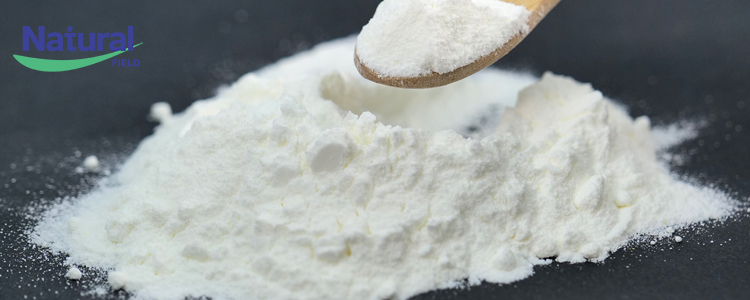
In ingredient form, dhm powder or dihydromyricetin extract is typically supplied as a purified crystalline or fine powder.
Key characteristics include:
High-purity flavonoid compound
Extracted primarily from Hovenia dulcis plant sources
Used in functional ingredient research and formulation studies
Compared with crude plant extracts, DHM represents a more purified compound derived from botanical sources.
Although all three are plant-derived ingredients, they differ significantly in composition, extraction type, and functional positioning.
1. Botanical Source Differences
Hovenia dulcis extract comes from multiple parts of the Hovenia plant
Garcinia extract is derived from Garcinia cambogia fruit
DHM is primarily extracted from Hovenia dulcis leaves
2. Composition Differences
Hovenia extract contains mixed natural compounds
Garcinia extract is standardized mainly by HCA content
DHM is a single purified flavonoid compound
3. Form Differences
Hovenia extract: generalized botanical extract powder
Garcinia extract: standardized fruit extract powder
DHM: high-purity crystalline or refined powder
These botanical ingredients are typically used in different formulation forms depending on product design needs. Common product forms include:
Standardized plant extract powders
High-purity isolated compounds (such as DHM)
Spray-dried botanical powders for blending applications
In practical formulation use:
Hovenia dulcis extract is used in multi-component botanical blends
Garcinia extract powder is used in standardized functional formulations
Dhm powder is used in more targeted ingredient applications
Botanical extract ingredients continue to grow in use across nutraceutical and functional product industries. Standardization and purity control are becoming increasingly important in formulation design.
Key general trends include:
Increased demand for standardized botanical extracts
Growing interest in flavonoid-based compounds such as DHM
Expansion of Garcinia-based standardized extract formulations
Greater focus on consistency and reproducibility in plant extract materials
Industry reports suggest that botanical extract usage continues to expand at a steady rate driven by functional food innovation and plant-based ingredient development.
| Feature | Hovenia Dulcis Extract | Garcinia Extract Powder | DHM (Dihydromyricetin) |
| Source | Hovenia plant | Garcinia cambogia fruit | Hovenia leaves |
| Type | Mixed botanical extract | Standardized fruit extract | Purified flavonoid |
| Main marker | Natural compound mix | HCA content | Single active compound |
| Form | Powder extract | Standardized powder | Crystalline powder |
| Complexity | Medium | Medium | High purity |
These botanical extracts are commonly used in:
Functional food formulations
Nutraceutical ingredient systems
Botanical supplement development
Plant-based formulation research
Each ingredient plays a different role depending on formulation design and desired compound profile.
Hovenia dulcis extract, Garcinia extract, and DHM represent three distinct categories of botanical ingredients, ranging from mixed plant extracts to standardized compounds and purified flavonoids.
Understanding their differences in composition and form helps in selecting appropriate ingredients for formulation design and product development.
It is used as a botanical ingredient in plant-based formulations and functional product development.
It is a standardized plant extract derived from Garcinia cambogia fruit, commonly used in formulations.
It refers to the same ingredient as garcinia extract powder, often labeled based on source plant.
DHM powder is a purified flavonoid compound extracted mainly from Hovenia dulcis leaves.
It is another name for DHM, a flavonoid substance extracted from rattan tea.
They differ in plant source, composition type, and level of purification.