English
 français
 Deutsch
 Español
 русский
 português
 日本語
日本語
NMN (nicotinamide mononucleotide) and NMNH (reduced nicotinamide mononucleotide) are two closely related NAD+ precursor ingredients used in research and nutraceutical development.
As demand for NAD+ pathway materials increases, buyers frequently evaluate NMN ingredients, NMN powder wholesale, nicotinamide mononucleotide bulk powder, NMNH powder, and reduced nicotinamide mononucleotide NMNH from both a functional and supply chain perspective.
Beyond biochemical differences, the real decision for manufacturers often depends on stability, production maturity, and bulk availability in global markets.
NMN is a nucleotide-derived compound naturally involved in NAD+ biosynthesis pathways. In commercial supply chains, it is primarily produced through enzymatic synthesis or microbial fermentation and then purified into standardized powder form.
In industrial sourcing, NMN ingredients are typically evaluated based on purity, consistency, and regulatory documentation rather than raw biological origin.
Common supply characteristics:
Typical purity levels around 99% or higher
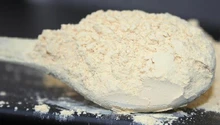
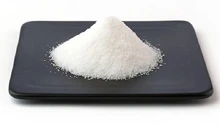
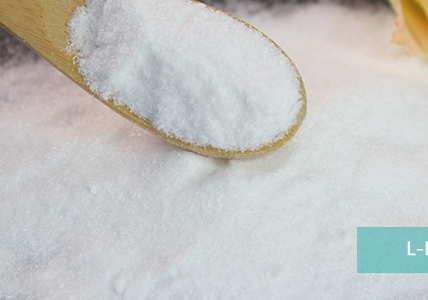
White to off-white crystalline powder form
Broad availability in global NMN powder wholesale markets
For manufacturers sourcing nicotinamide mononucleotide bulk powder, consistency across production batches is a key requirement for formulation stability.
NMNH is the reduced form of NMN and is also referred to as reduced nicotinamide mononucleotide. It has attracted attention in recent biochemical research due to its distinct redox state compared to NMN. In commercial terms, NMNH powder is still considered an emerging ingredient category with limited large-scale production compared to NMN.
Key characteristics include:
Lower market availability compared to NMN
Primarily supplied as research-grade material
Higher sensitivity to storage conditions and handling requirements
Because reduced nicotinamide mononucleotide NMNH is still in early commercialization stages, supply chains remain less standardized and more fragmented.
Although NMN and NMNH share structural similarity, their market behavior differs significantly in terms of stability, maturity, and scalability.
Key differences include:
NMN has an established global manufacturing base
NMNH is still in early-stage commercialization
NMN shows more consistent batch-to-batch supply stability
NMNH requires stricter handling conditions due to reduced stability
NMN is widely available in bulk supply channels, while NMNH is limited to fewer producers
From a procurement perspective, NMN is considered a more mature and scalable ingredient, while NMNH remains a developing category with evolving supply systems.
Both NMN and NMNH are typically supplied in powder form, but their industrial availability and application scale differ.
Common product forms include:
Standardized crystalline powders
Research-grade powders for formulation testing
Bulk materials for industrial ingredient blending
In supply practice:
NMN powder wholesale is widely available with multiple supplier options
Nicotinamide mononucleotide bulk powder is commonly used in nutraceutical manufacturing pipelines
NMNH powder is more limited in availability and often produced in smaller batches
These differences affect procurement planning, lead time, and long-term supplier selection strategies.
| Feature | NMN | NMNH |
| Market maturity | Established | Emerging |
| Supply availability | High | Limited |
| Stability | Higher stability | Lower stability |
| Production scale | Large-scale fermentation/enzymatic production | Limited production capacity |
| Common form | Bulk powder | Research-grade powder |
| Supply chain structure | Standardized global supply | Fragmented early-stage supply |
The NAD+ precursor ingredient market continues to expand, with NMN currently dominating commercial supply chains.
Key trends include:
Increasing demand for standardized NMN ingredients in nutraceutical formulations
Expansion of NMN powder wholesale distribution networks
Growing scientific interest in alternative reduced forms such as NMNH
Increased focus on quality control, traceability, and documentation standards
Industry development shows that NMN is currently the primary scalable ingredient, while NMNH remains in an exploratory and research-driven stage of market adoption.
Natural Field supports global customers with stable sourcing of high-quality biochemical and nutraceutical ingredients, including NMN-related materials.
Our supply focus includes:
Stable nicotinamide mononucleotide bulk powder production support
Strict batch-to-batch quality consistency control
Export documentation and regulatory support
Long-term supply reliability for manufacturers and research users
For sourcing inquiries: https://www.natural-field.com/contact
Company overview: https://www.natural-field.com/
General inquiry: https://www.natural-field.com/contact
National Institutes of Health – NAD+ metabolism and nucleotide research
WebMD – General background on NMN-related compounds
PubMed Central – Research publications on nicotinamide nucleotides and derivatives
NMN and NMNH are primarily used in:
Nutraceutical ingredient development
Biochemical and metabolic research
NAD+ pathway studies
Functional formulation exploration
Actual usage depends on regulatory requirements and formulation objectives in different markets.
NMN and NMNH are closely related NAD+ precursor ingredients, but they differ significantly in market maturity, stability, and supply chain development.
NMN benefits from a well-established NMN powder wholesale market and scalable production systems, while NMNH remains an emerging ingredient with limited but growing availability.
For manufacturers and researchers, the key decision factors include supply stability, documentation quality, and long-term sourcing reliability rather than biochemical similarity alone.
NMN is a more stable and widely produced NAD+ precursor, while NMNH is a reduced and less commercially developed form.
Both are still under research, and their comparative performance depends on specific experimental conditions.
It refers to standardized NMN used in manufacturing and formulation processes.
It is mainly used in research-stage studies related to NAD+ metabolism, used for anti-aging nutritional health products.
Yes, NMN bulk powder has a well-established global supply chain.
Because it is still in early commercialization with limited large-scale production.