English
 français
 Deutsch
 Español
 русский
 português
 日本語
日本語
Taurine and creatine are two widely used ingredients in sports nutrition, each with distinct physiological roles. Increasingly, they are being combined in formulations to support broader performance outcomes.
Understanding how taurine and creatine together function can help brands and formulators design more effective products while addressing multiple performance needs simultaneously.
Taurine is an amino sulfonic acid primarily involved in maintaining cellular stability and fluid balance in the body.
Unlike protein-building amino acids, taurine functions in regulatory processes, particularly in tissues with high metabolic activity.
Key Roles:
Maintains osmotic balance in cells
Supports electrolyte regulation
Contributes to neurological and cardiovascular function
Typical supplementation ranges from 500 to 2000 mg per day, depending on the application.
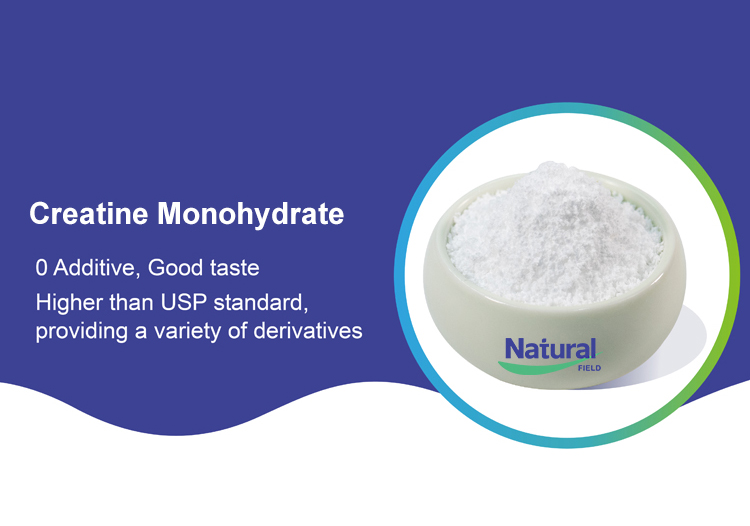
Creatine is a naturally occurring compound that plays a central role in cellular energy production, especially in muscle tissue. It works by supporting the regeneration of ATP, which is essential for short bursts of high-intensity activity.
Key Roles:
Enhances ATP availability
Supports strength and power output
Aids muscle performance under load
A common intake strategy includes 3–5 g daily, with optional loading phases.
When used together, taurine and creatine contribute to performance through separate but complementary biological mechanisms.
Creatine increases the availability of rapid energy (ATP) during muscle contraction
Taurine helps maintain cellular hydration and ion balance, supporting stable muscle function
This division of roles allows both ingredients to operate simultaneously without interference, creating a coordinated support system for muscle performance at the cellular level.
The combined use of creatine with taurine translates these mechanisms into measurable performance-related outcomes.
Key Benefits:
1. Enhanced Exercise Capacity
Creatine supports explosive output, while taurine helps sustain function during repeated effort.
2. Improved Muscle Function Under Stress
Balanced hydration and energy availability contribute to more consistent performance.
3. Support for Recovery Processes
The combination may help reduce performance decline during repeated training sessions.
4. Neuromuscular Coordination Support
Taurine’s role in signaling complements creatine’s role in contraction efficiency.
A direct comparison highlights how each ingredient contributes differently within a formulation.
| Aspect | Taurine | Creatine |
| Definition | Amino sulfonic acid supporting cellular balance | Compound supporting ATP regeneration |
| Core Role | Hydration and electrolyte regulation | Energy supply for muscle contraction |
| Performance Focus | Stability and endurance support | Strength and power output |
| Dosage Range | 500–2000 mg/day | 3–5 g/day |
| Mechanism | Osmoregulation | Phosphocreatine system |
| Functional Position | Supportive regulator | Primary performance driver |
The safety of combining taurine and creatine is supported by their independent metabolic pathways and established safety profiles.
According to the European Food Safety Authority, creatine supplementation at 3–5 g/day is considered safe for long-term use in healthy individuals. Taurine has also been evaluated by the World Health Organization, with no significant safety concerns at commonly used doses.
Practical Considerations:
Maintain recommended intake levels
Ensure adequate hydration
Use high-quality raw materials
In formulation practice, taurine and creatine are combined based on specific product use cases rather than general benefits.
1. Pre-Workout Formulas
Designed to support both immediate energy output and cellular readiness
2. Performance Blends
Used where sustained output and repeated effort are required
3. Functional Beverages
Taurine contributes to stability in liquid systems, while creatine is included in advanced formulations.
For brands developing such products, sourcing from a reliable taurine supplier is essential to ensure quality consistency. Companies like Natural Field support taurine wholesale needs for large-scale production.
For further validation and research-based insights:
National Institutes of Health – Overview of creatine research
International Society of Sports Nutrition – Creatine position stand
European Food Safety Authority – Safety evaluations
Yes, taurine and creatine can be taken together, as their absorption and functions do not conflict.
Their compatibility comes from targeting different physiological systems—energy metabolism and cellular regulation—making them suitable for combined use in performance-oriented products.
Taurine and creatine represent two distinct functional categories within sports nutrition—one focused on cellular stability, the other on energy production. Their combination reflects a broader shift in formulation strategy toward multi-functional ingredient systems, where performance is supported through complementary mechanisms rather than single-ingredient reliance.
For ingredient suppliers and brands such as Natural Field, this approach aligns with growing demand for more integrated and effective nutritional solutions.
Yes, they can be safely combined due to different mechanisms of action.
They support energy production, hydration, and overall muscle performance.
No, there is no evidence of negative interaction.
Typically 500–2000 mg taurine and 3–5 g creatine daily.
Both are generally well tolerated when used correctly.
Working with trusted suppliers like Natural Field ensures quality for taurine wholesale needs.