English
 français
 Deutsch
 Español
 русский
 português
 日本語
日本語
Although betaine and beta-alanine are often mentioned together, they represent two fundamentally different types of functional ingredients used in nutrition and supplement formulations.
This similarity in naming frequently leads to confusion, especially around the question: is betaine the same as beta alanine? In practice, they differ significantly in structure, biological role, and application. Understanding the distinction between betaine vs beta alanine is essential for formulators, brands, and ingredient buyers aiming to design effective and targeted products.
Betaine is widely known in nutritional science as trimethylglycine (TMG), a naturally occurring compound found in sources like sugar beets. Rather than functioning as a typical amino acid, it plays a dual role in the body:
It contributes to methylation processes, supporting homocysteine metabolism
It acts as an osmolyte, helping cells maintain fluid balance under stress
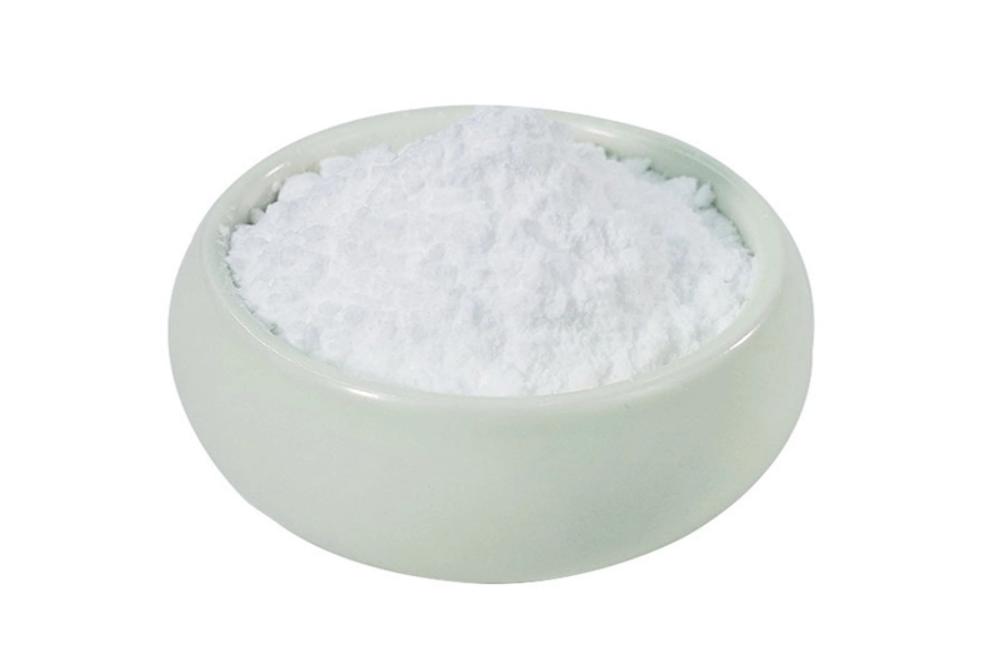
In commercial applications, betaine is most commonly used in its purified form, betaine anhydrous, due to its stability and compatibility.
Typical Applications:
Sports nutrition (strength and hydration support)
Liver health supplements
Functional foods and beverages
Personal care formulations
In contrast, beta-alanine belongs to a different category—it is a non-proteinogenic amino acid, meaning it does not directly contribute to protein synthesis.
Its importance lies in its role as a precursor to carnosine, a compound stored in skeletal muscle that helps regulate acidity during high-intensity exercise. This function makes beta-alanine particularly relevant in performance contexts where fatigue is a limiting factor.
Typical Applications:
Pre-workout supplements
Endurance and performance products
High-intensity training support formulas
Looking at betaine vs beta alanine side by side highlights clear differences in how each ingredient works and where it is best applied.
| Aspect | Betaine (Betaine Anhydrous) | Beta-Alanine |
| Definition | A methylated compound (trimethylglycine) supporting hydration and methylation | A beta-amino acid that supports carnosine synthesis |
| Chemical Type | Derived from glycine | Beta-position amino acid |
| Primary Function | Osmolyte and methyl donor | Increases muscle carnosine |
| Performance Benefit | Strength, power, hydration support | Endurance and fatigue delay |
| Mechanism | Supports cellular balance and metabolism | Buffers acid buildup in muscles |
| Application Focus | Broad (health + performance) | Targeted (sports performance) |
| Common Form | Betaine anhydrous | Beta-alanine powder |
| Side Effects | Generally well tolerated | Temporary tingling sensation |
Rather than viewing betaine anhydrous vs beta alanine as competing ingredients, it is more accurate to see them as serving different formulation purposes.
Betaine is typically selected for hydration, recovery, and metabolic support
Beta-alanine is chosen for endurance enhancement and fatigue resistance
From a formulation standpoint, combining both is a common strategy to create a more comprehensive performance profile.
There is no universal answer to which ingredient is better—the choice depends on the intended application. Betaine tends to be preferred in formulations that require:
Multi-functional benefits
Hydration and recovery support
Broader health positioning
Beta-alanine, on the other hand, is more suitable when the focus is:
High-intensity exercise performance
Repeated effort capacity
Muscle fatigue reduction
In many modern products, both ingredients are included to address multiple performance needs simultaneously.
Another common comparison is l alanine vs beta alanine, but these two compounds serve very different roles. L-alanine is a standard amino acid involved in protein synthesis and energy metabolism, making it structurally important in the body. Beta-alanine, by contrast, is not used to build proteins. Its primary function is to support carnosine production, which directly impacts exercise performance. A simple distinction:
L-alanine → structural and metabolic role
Beta-alanine → functional and performance role
Both betaine and beta-alanine are generally considered safe when used within appropriate dosage ranges. Betaine is typically well tolerated, though excessive intake may occasionally lead to mild digestive discomfort.
Beta-alanine is known for causing a temporary tingling sensation (paresthesia), which is harmless and dose-dependent. As with any ingredient, proper formulation and dosage control are essential.
In today’s supplement and functional ingredient market, both ingredients have clearly defined roles.
Sports Nutrition
They are often positioned differently but can complement each other:
Betaine supports hydration, strength, and recovery
Beta-alanine enhances endurance and fatigue resistance
Functional Foods & Beverages
Betaine is more widely used due to its versatility, while beta-alanine is typically included in performance-oriented drinks.
Health & Wellness Products
Beyond sports applications:
Betaine is associated with liver and metabolic health
Beta-alanine is gaining interest in specialized formulations
Because betaine and beta-alanine act through different biological mechanisms, they can be used together without conflict. Betaine supports cellular balance and metabolic processes, while beta-alanine enhances muscle buffering capacity.
This complementary relationship is why both ingredients are increasingly combined in advanced formulations.
When comparing betaine vs beta alanine, it becomes clear that they are not interchangeable but instead serve distinct roles. Betaine provides broad physiological support, including hydration and methylation.
Beta-alanine delivers targeted performance benefits, particularly in endurance and fatigue resistance. For formulators and brands, understanding these differences enables more precise product positioning and more effective formulation strategies.
No, they are different compounds with distinct structures and functions.
Betaine supports hydration and metabolism, while beta-alanine improves muscle endurance.
Choose betaine for broader health support and beta-alanine for performance-focused applications.
```